The Creswick Mine Disaster

admin • December 1, 2025

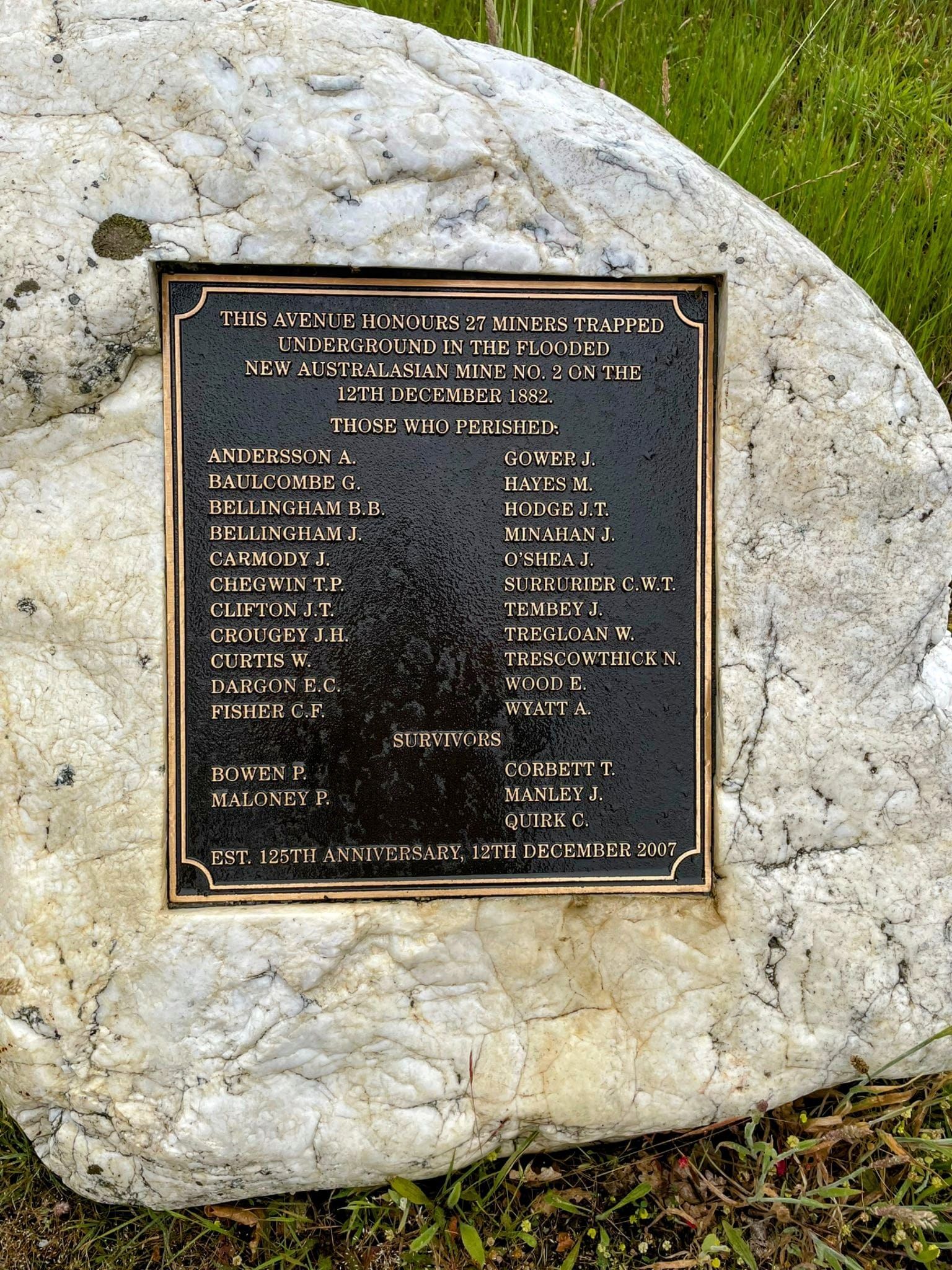
On 12th December 1882, Creswick became the location of a mining disaster which holds, to this day, the record for the deadliest mine disaster in Australia’s history.


There were 41 men who were on shift on the night of the 11th December working in the New Australasian No.2 Gold Mine. They descended 250 feet (76m) from the surface and then made their way a further 2000 feet (600m) to the face where they were mining. It was at 5.30am the next morning when a working shaft came too close to an older flooded parallel shaft – resulting in water flooding into the newer working part of the mine. 27 miners became trapped, but were able to reach a small air pocket in a space known as the No.11 jump-up. Here they stayed trapped for 2-3 days. They wrote messages on their crib pails to their families and sang together and prayed.


The rescue mission involved 2 days of frantic pumping of the floodwaters and Navy divers hurried from the ship HMVS Cerberus to help. By the time they were reached, after 3 days, 22 men had succumbed to the rising water levels and drowned. Only 5 of the 27 made it out alive.


When the funeral was held, there were many thousands in attendance – 400 people marched in the procession and another 15,000 onlookers lined the streets. 


At this time there was no such thing as workers compensation to help the 18 wives and 63 children who were left behind. So, the community set up a relief fund to assist the families. This would be the birth of workers compensation in Australia.


The Creswick Mine Disaster highlighted the need for better safety regulations in mining operations. It would remain the largest loss of life in a workplace incident in Australia for nearly 90 years, when The West Gate Bridge Collapsed in 1970.


For more information on the Creswick Mining Disaster Australasian Mining Disaster | Creswick Museum


List of the Dead

  • Christian Frederick Fisher (55) Wittenburg, Germany
  • James Carmoody (53) County Clare, Ireland
  • George Baulcomb (52 & 10 months) Maidstone, Kent, England
  • Nathaniel Trescowthick (45) Cornwall, England
  • Michael Hayes (45) Ireland
  • John Gower (44) Lyminge, Kent, England
  • William Curtis (42) Gwennap, Cornwall, England
  • James Minahan (38) County Clare, Ireland
  • William Tregloan (37 & 6 months) Marazion, Cornwall
  • Edward Campon Dargon (36) Kilkenny, Ireland
  • Anton Andersson (36) Christianstada, Finland
  • John Henry Crougey(35) Stithians, Cornwall, England
  • James Mitchell Temby (35) Redruth, Cornwall, England
  • James O’Shea also known as James Walsh (34years & 11 months) County Waterford, Ireland
  • Carl Waldemar Theodor Serrurier (34) Berlin, Prussia
  • Thomas Penbertha Chegwin (31) Redruth, Cornwall, Ireland
  • Abraham Wyatt (31) Adelaide, South Australia
  • Jabez Bellingham (28) Worcestershire England
  • Benjamin Bowen Bellingham (21) Happy Valley, Victoria.
  • John Tom Clifton (27) Gainsborough, Lincolnshire, England
  • Edward Wood (26) Oldham, Lancashire, England
  • John Thomas Hodge (18) Creswick

Survivors

  • Peter Maloney
  • John Manley died 25/1/1924
  • Tom Corbett died 31/5/1935 Creswick
  • Cornelius Quirk died Feb. 1922 Milawa
  • Patrick Bowen  died 26/3/1909 Creswick

By admin February 2, 2026
The 9 th February 2014 was the day that The Hazelwood mine caught fire. It was during a period of extreme fire danger that a bushfire started nearby and sent embers into the open cut coal mine. The fire burnt out of control for 45 days and it took another 72 days for the fire to be put out. The impact on the community and on the workers who helped to fight the fire was horrific. The fire was a large scale environmental and health disaster, with ongoing ramifications for those in the vicinity. It would later become the subject of an inquiry, multiple prosecutions and has been the subject of two books by Tom Doig which make very interesting reading. From an OHS perspective, this event makes an interesting case study. The fire was preventable, and the safety failures resulted in workers being exposed to hazardous conditions, with long term effects. Firefighters and mine personnel faced extreme occupational hazards while responding to the event. These included toxic smoke inhalation, fatigue from prolonged shifts, extreme heat exposure and direct contact with burning coal and ash. Also impacted were volunteers and emergency personnel, as well as members of the public. Inadequate PPE, lack of training and inadequate water infrastructure all added to the hazardous conditions. The physical and psychological impacts continue to this day. It was found that there had been systemic failures in Occupational Health and Safety at the site. The mine operator (Hazelwood Power company, co-owned by Engie and Mitsui & Co) was found to have failed to: Adequately assess the risk of fire in the mine, as a result of external sources such as bushfires Adequately maintain vegetation buffers Have sufficient firefighting water infrastructure Have sufficient and adequately skilled staff on site to respond to fire Have an updated fire mitigation plan and to activate it during periods of extreme fire danger In the words of Colin Radford, WorkSafe CEO: "This was an entirely foreseeable event that has led to significant adverse health impacts” The adverse health impacts were felt by workers and by the broader community. The massive smoke plumes which blanketed Morwell and the Latrobe valley for a prolonged period resulted in many suffering acute and chronic health effects. The Hazelwood mine fire exposed issues with crisis management, safety and health governance and emergency response. The operator of the mine, Hazlewood Power Corporation Pty Ltd was eventually prosecuted by WorkSafe and found guilty and fined. The penalty was $1.56 million for breaching sections 21 and 23 of the Occupational Health and Safety Act. Hazelwood Pacific Pty Ltd, Australian Power Partners B.V, Hazelwood Churchill Pty Ltd and National Power Australia were found guilty of breaching the Environment Protection Act. They each were fined $95,000 for offences relating to pollution, totalling $380,000. There continues to be ongoing environmental concerns regarding the remaining mine pit. The owner of the mine, French owned company Engie, is required to rehabilitate the site of the now closed open-cut pit. The process for determining the appropriate 'rehabilitation' is still ongoing, with concerns regarding the use of the Latrobe River water for this purpose, the instability of the pit and potential toxicity of the water. The hazards associated with this mine continue to cause concern. For those interested in finding out more about the Hazelwood Mine disaster, Tom Doig’s books are highly recommended reading: Hazelwood by Tom Doig - Penguin Books Australia The Coal Face: Penguin Special by Tom Doig - Penguin Books Australia For more information relating to the ongoing Hazelwood concerns, take a look at: Hazelwood Mine Rehabilitation – Update 2025 Hazelwood Rehabilitation Project
By admin January 27, 2026
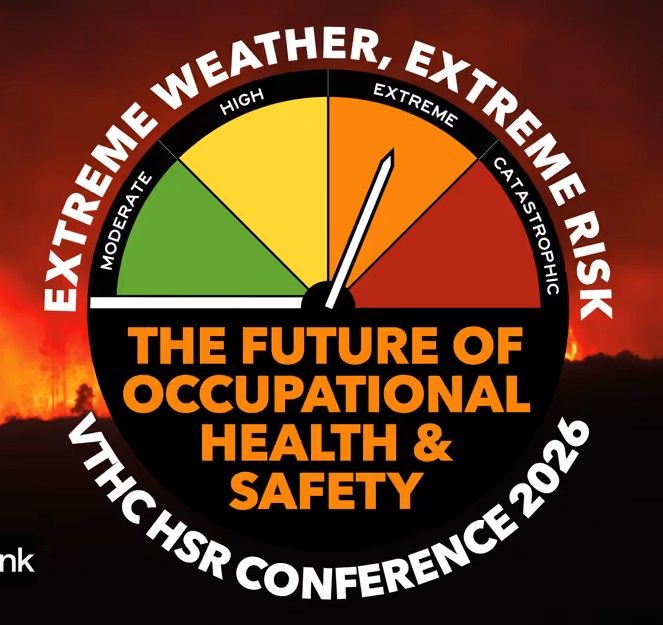
Australia is a fire-prone country, and workplaces in many areas are at risk of being impacted by bushfires in some way. The effects of bushfires may include direct exposure to fire, as well as smoke exposure and psychological impacts. As with any workplace hazard, employers have a duty to manage and control the risk of injury. A bushfire risk assessment should therefore be undertaken. Through this process, employers should: Identify whether there is a potential bushfire hazard Assess the risk of bushfires affecting the health and safety of workers, including smoke exposure Identify appropriate control measures Review control measures to ensure they are effective and that no new hazards have been introduced Consultation with workers should occur at each stage of this process. When developing a bushfire risk assessment and policy, employers should consider the following: How will fire danger ratings be monitored throughout the bushfire season? How vulnerable is the workplace location? What actions will be taken on days of extreme or catastrophic fire danger? Are there workers who travel for work or spend significant time on the road? Are there workers who operate alone or in isolated locations? What emergency and evacuation plans are in place? Once a bushfire policy has been developed in consultation with workers, appropriate training must be provided. Employers are legally required to ensure workers receive the necessary information, instruction, and training to remain safe at work, including in relation to bushfire risks. For more information, take a look at: Working outside - Working near bushfires | Safe Work Australia