The Pike River Mine Disaster
On 19 November 2010, 29 miners went to work and never came home.
At 3:44 pm, a methane explosion occurred at the Pike River Coal Mine on the West Coast of New Zealand's South Island. 31 workers were underground at the time.
Daniel Rockhouse survived the initial explosion and managed to rescue both himself and his colleague, Russell Smith. They were the only two survivors.
Over the following days, a series of further explosions destroyed any remaining hope of finding the missing miners alive. 29 men lost their lives, and their bodies have never been recovered.
A Royal Commission of Inquiry was established to investigate the disaster, and explored causation, rescue efforts, relevant laws and the regulator’s implementation of the legislation.
The Cause of the Explosion and Loss of Life
Methane is naturally present within coal seams and is released during mining operations. The Royal Commission found that methane accumulated within the mine and came into contact with an ignition source, such as a spark, hot engine component, or electrical arc.
The explosion resulted from a failure to adequately control methane levels in the mine on or before 19 November 2010.
The exact location of the workers at the time of the explosion remains unknown. Investigators concluded that the men may have been killed by the blast itself, the powerful pressure wave generated by the explosion, or by the rapid depletion of oxygen in the mine atmosphere. However, the precise cause of death for individual miners has not been determined.
Why the Pike River Tragedy Occurred
The Royal Commission identified numerous contributing factors.
The disaster occurred during an intense drive to achieve coal production targets in a mine plagued by leadership failures, operational shortcomings, and a poor safety culture.1
The Commission concluded that production pressures often took precedence over safety considerations. It also identified inadequate oversight by the health and safety regulator, as well as significant weaknesses in New Zealand's mining legislation and regulatory framework.
The rescue effort was impacted by a lack of advance planning and the failure to implement New Zealand's Coordinated Incident Management System (CIMS). Communication with families during the emergency response was also found to be inadequate.
Technical failures within the mine were extensive and included deficiencies in Ventilation systems, Methane drainage and venting arrangements, Methane monitoring sensors and Electrical safety systems.
Additional contributing factors included the use of hydro-mining techniques, production-based incentives, and repeated methane spikes that were not effectively investigated or controlled in the lead up to the explosion.
The Effectiveness of the Search, Rescue and Recovery Operation
The first indication of a problem was the loss of radio communication with workers underground.
An electrician was subsequently sent into the mine to investigate. He travelled approximately 1,500 metres underground before being forced to retreat due to the toxic atmosphere.
Before withdrawing, he observed what appeared to be a person lying beside a vehicle. He reported his observations at approximately 4:25 pm. Emergency services were not contacted until after this report was received, resulting in a significant delay in the initial response.
Police assumed overall control of the emergency operation, although numerous organisations were involved, including Pike River management, Mines Rescue teams, the New Zealand Fire Service, the Department of Labour, St John Ambulance, and other supporting agencies.
The Royal Commission found that key principles of the Coordinated Incident Management System (CIMS) were not consistently followed. As a result, critical decision-making processes were slower than they should have been during a time when the timeliness of decision-making was critical.
Conditions within the mine remained unstable and largely unknown. Damage to the mine's ventilation system significantly increased the risks associated with any rescue attempt.
The response was also hindered by a lack of reliable information regarding underground conditions. Without accurate atmospheric data, rescuers could not safely enter the mine.
When a second explosion occurred on the morning of 24 November 2010, any realistic hope of rescuing survivors was lost.
The mine was subsequently sealed and flooded with inert gas to prevent fires and reduce the risk of further explosions.
In 2012, the mine was purchased by Solid Energy New Zealand Ltd, with an agreement to recover the bodies (if mining resumes) if it ‘can be achieved safely, is technically feasible and is financially credible’.
Despite ongoing public interest and advocacy from families, no full recovery of the miners' remains has occurred.
The Adequacy of New Zealand Mining Laws and Their Implementation
The Royal Commission identified significant shortcomings in New Zealand's mining regulatory framework and the way it was administered.
The Commission found that regulators had adopted an overly passive approach, operating on the assumption that employers would implement best practice without sufficient oversight. This resulted in limited compliance activity and inadequate enforcement action.
The inquiry also identified failures in the resourcing and support provided to the mining inspectorate. At the time of the disaster, New Zealand had only two mining inspectors responsible for overseeing the entire mining industry. The Commission concluded that they were unable to effectively carry out their statutory functions.
Broader failures were also identified within the government's approach to occupational health and safety strategy, transparency, and regulatory leadership. The Commission emphasised the need for a modern compliance strategy:
"Enforcement under a modern compliance strategy requires a risk-based selection of employers for audit and inspection, intelligence gathering, audit and inspection methodologies, work measurement and a graduated use of enforcement tools."²
The Commission went so far as to recommend consideration of a new regulator, citing ‘its lack of national leadership, the need for approved codes of practice to guide employers and insufficient focus and expertise regarding health and safety at senior management levels.’2 It described some models where a regulator focusing solely on health and safety and with appropriate accountability could be established.
How New Zealand Mining Laws Compared to Other Jurisdictions
The Royal Commission found that New Zealand's mining legislation and regulations required urgent review and reform.
Among its observations was that workers “should be entitled to receive key information on health and safety risks without having to ask for it”. The Commission also recognised the important role of Health and Safety Representatives (HSRs) and union representatives, recommending that they be appropriately trained and empowered to carry out inspections and direct workers to cease unsafe work where there is an immediate danger.
The inquiry further identified a need for company directors to have clearly defined statutory responsibilities, similar to those imposed on employers and managers.
Ultimately, the Commission concluded that the Pike River disaster was preventable and that comprehensive reform was necessary to prevent similar tragedies in the future.
Recommended reforms included:
- Stronger permit and approval processes linked to health and safety performance
- Significant improvements to the regulator
- Fundamental changes to mining regulations
- Enhanced emergency preparedness and response arrangements
- Greater worker participation in health and safety
- Increased accountability for directors
The Commission's Recommendations
The Royal Commission made 16 recommendations aimed at improving mine safety and strengthening New Zealand's regulatory framework.³
Many of these recommendations influenced subsequent changes to New Zealand's health and safety laws and contributed to the establishment of WorkSafe New Zealand in 2013.
Justice, Accountability and Ongoing Investigations
Families of the victims, unions, and community advocates have continued to campaign for accountability, justice, and the recovery of the miners' remains.
Pike River Coal Ltd and VLI Drilling were convicted of health and safety offences arising from the disaster. In 2013, Pike River Coal Chief Executive Peter Whittall was charged by WorkSafe New Zealand. However, the prosecution was later abandoned after a $3.41 million payment was made to the families of the victims and the two surviving miners.
According to media reports:
"The money was split between the two survivors and the families of the 29 missing, a total of $110,000 for each man who had been down the mine that day."⁴
The legality of this arrangement was subsequently challenged, and the New Zealand Supreme Court later determined that the deal was unlawful.
More than a decade after the disaster, no bodies have been recovered from the mine, and police investigations into the tragedy continue.
Remembering the Men Lost at Pike River
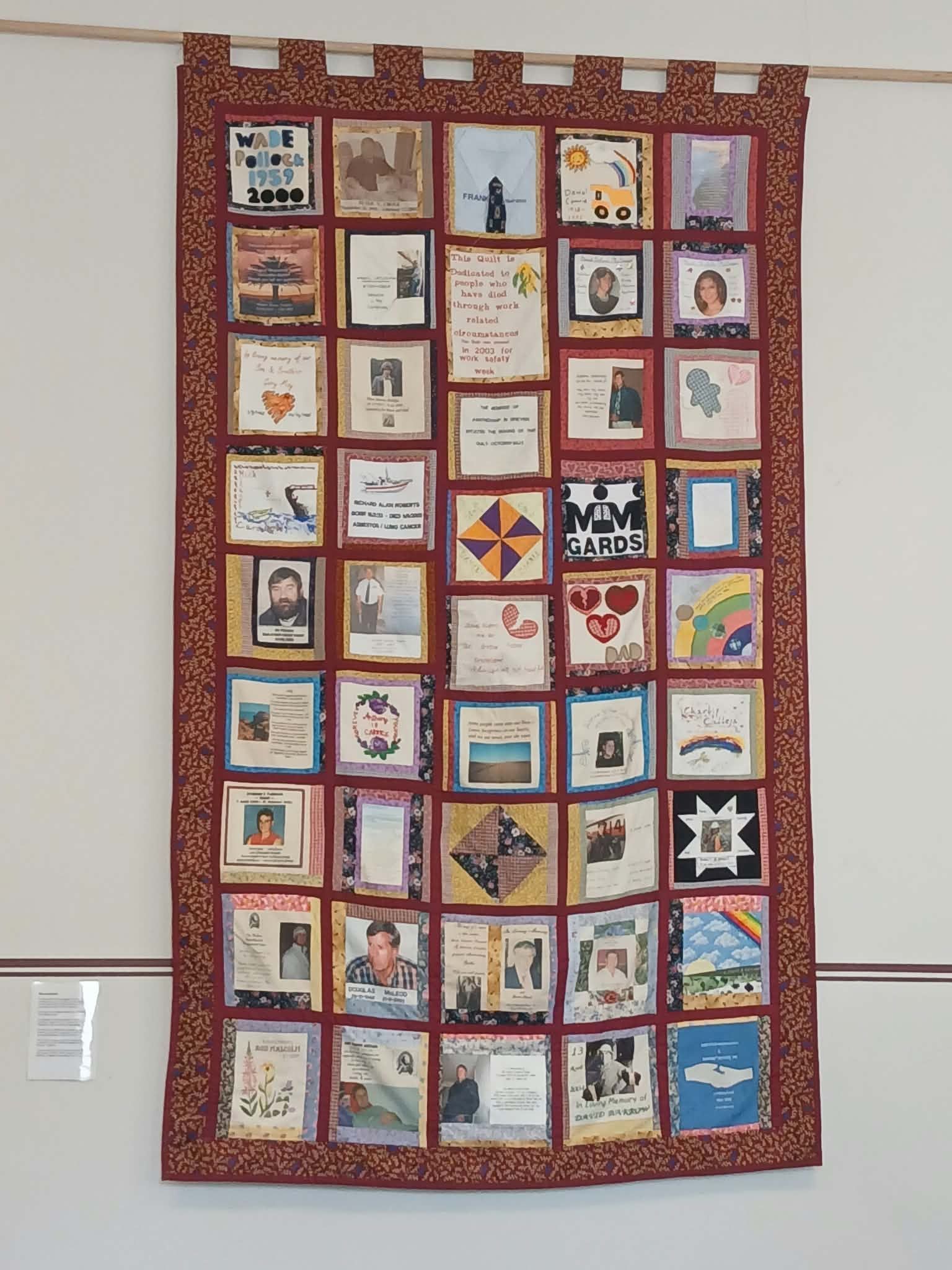
As always, the primary concern in any workplace disaster must be the individuals who have lost their lives and the enduring impact on their families. They should have come home.
The men who lost their lives in the Pike River disaster were:
- Conrad Adams
- Daniel Herk
- David Hoggart
- Richard Holling
- Koos Jonker
- Peter Rodger
- Blair Sims
- Keith Valli
- Terry Kitchin
- Joshua Ufer
- Zen Drew
- Kane Nieper
- Kiki Keane
- Malcolm Campbell
- Glenn Cruse
- Allan Dixon
- Christopher Duggan
- William Joynson
- Stuart Mudge
- Peter O'Neill
- Brendon Palmer
- Samuel Mackie
- Milton Osborne
- Joseph Dunbar
- Benjamin Rockhouse
- Michael Monk
- John Hale
- Andrew Hurren
- Francis Marden
1. Volume One - What Happened at Pike River - pikeriver.royalcommission.govt.nz
2. Volume One - Proposals for Reform - pikeriver.royalcommission.govt.nz
3. Volume One - Recommendations - pikeriver.royalcommission.govt.nz
4. Pike River mine disaster: Police work with Crown Solicitor over decision to lay charges
5. Volume One - Contents - pikeriver.royalcommission.govt.nz